
Does USCIS Use AI to Scrutinize Signatures on Immigration Forms?
What You Need to Know About USCIS AI Signature Verification
A simple signature can now have a much bigger impact on an immigration filing. USCIS has tightened its approach to invalid signatures and has placed more emphasis on filing integrity and proper certification. For applicants, the message is straightforward: sign immigration forms correctly the first time because a signature issue can now lead to serious delays, added costs, or even a denial.
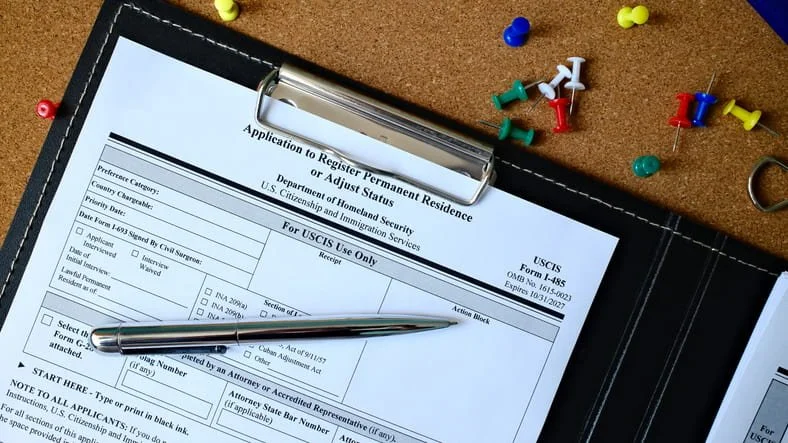
Is USCIS Using AI to Check Immigration Form Signatures?
USCIS has not publicly released detailed information about its review technology, but concerns are that automated or AI-assisted review may be used to identify repeated or copied signature images. Discussions surrounding AI immigration screening largely focus on whether copied, pasted, or reused signatures could draw closer scrutiny during case review. That makes careful signing and document preparation especially important for applicants and petitioners.
What Changed Under the New USCIS Signature Rule?
A significant rule change took effect on July 10, 2026. USCIS now has explicit authority to reject or deny applications containing invalid signatures, even if the filing was initially accepted. The new signature rule also removes the expectation that applicants will automatically receive a chance to correct a signature problem after submission. As a result, signature scrutiny matters more than ever.
What Types of Signatures Does USCIS Accept?
Valid signatures remain fairly simple, but applicants need to follow the rules carefully. USCIS generally recognizes handwritten signatures and certain authorized electronic signatures used through approved USCIS filing systems. The agency also often accepts copies of documents that were originally signed by hand, though USCIS may request the original. Accepted signatures generally include:
● Handwritten Signature – A person may sign using their normal handwritten mark even if it isn't fully legible.
● Original Signed Document Copy – USCIS often accepts a scanned or photocopied version of a document originally signed by hand.
● Authorized USCIS Electronic Signature – Certain online filing systems allow electronic signatures through USCIS-approved processes.
● Authorized Representative Signature – Parents, guardians, or other authorized individuals may sign in limited circumstances permitted by USCIS rules.
Which Signatures Could Cause Problems?
Many of the issues USCIS now targets involve signatures that don't reflect an actual signing event by the person listed on the form. Immigration signature requirements prohibit several practices that became common during remote filing workflows. Examples of problematic signatures include:
● Typed Names – Simply typing a name into a signature field doesn't satisfy USCIS requirements.
● Copied Signature Images – A signature image pasted into multiple forms may trigger concerns about authenticity.
● Signature Software on Paper Forms – Digital signatures used outside approved USCIS systems may be considered invalid.
● Stamped Signatures – Rubber stamps, auto-pens, and similar methods can lead to rejection or denial.
Can USCIS Detect a Copied or Reused Signature?
USCIS has openly expressed concern about fraudulent, questionable, and noncompliant signatures. While the agency doesn't publish the full details of its review methods, modern verification tools make it easier to identify forms containing identical signature images, repetitive patterns, or signatures that appear inconsistent with filing records. Concerns surrounding AI signature verification often center on the agency's growing ability to compare documents and spot possible irregularities across applications.
What Happens If USCIS Finds an Invalid Signature?
The consequences can be expensive and frustrating. Under current policy, USCIS may reject the filing or deny the benefit request altogether. In some situations, filing fees may not be returned, and applicants could lose valuable time waiting for a decision before learning that a signature defect exists. A denial can also create additional procedural hurdles depending on the type of case involved. Hurtubise Weber Law can help applicants review signature concerns before a preventable issue affects the case.
FAQs About AI Signature Verification
-
No. A typed name generally doesn't qualify as a valid signature on a paper USCIS filing and may result in rejection or denial.
-
Generally, this is not accepted when submitted on paper forms unless the specific filing instructions or USCIS filing system authorizes that method ahead of time. USCIS has identified many third-party digital signature methods, like DocuSign, as problematic for paper submissions.
-
Yes. Under the revised rule, USCIS may identify a signature issue after intake and still reject or deny the filing.
Schedule an Immigration Law Consultation Now
A signature may seem like a small detail, but USCIS treats it as a certification that the information in the filing is accurate and complete. Hurtubise Weber Law has successfully helped clients navigate complex immigration matters since 2013. If you have questions about AI signature verification, AI immigration screening, or a pending immigration filing, contact our team to discuss your situation before a preventable signature problem affects your case.