
USCIS Announces New Public Charge Policy for Green Card Applicants
USCIS Public Charge Policy Changes for Green Card Applicants
Green card applicants will face a different public charge review beginning September 18, 2026. The updated policy gives USCIS officers broader discretion to examine an applicant's financial circumstances and use of certain public benefits. Understanding the change now can help applicants prepare accurate documentation without making rushed decisions based on alarming headlines.
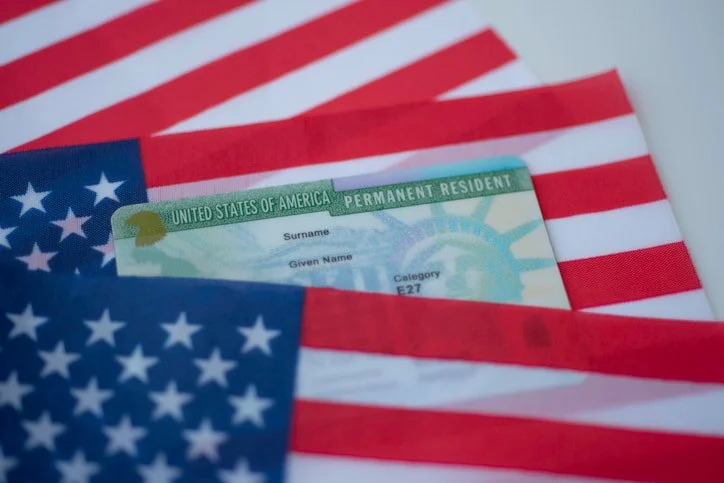
What Is the Public Charge Rule?
The public charge rule allows immigration officials to determine whether an applicant is likely to depend on government support for basic needs. For many people seeking permanent residence, a public charge immigration review is one part of the broader admissibility process. USCIS doesn't decide these cases based on a single fact. Instead, officers consider the applicant's circumstances as a whole, including factors established under federal immigration law.
What Is Changing on September 18, 2026?
The Department of Homeland Security has rescinded the 2022 public charge regulation, and the new policy takes effect on September 18, 2026. Under the revised approach, officers may consider a wider range of relevant evidence when evaluating whether an applicant could become a public charge. USCIS will also require the new September 18, 2026 edition of Form I-485 for applications postmarked or electronically submitted on or after that date.
How Will USCIS Evaluate Green Card Applicants?
USCIS will use a totality-of-the-circumstances review rather than treating one detail as the automatic answer. A green card public charge assessment may look different from one applicant to another because age, finances, and personal circumstances don't carry identical implications in every case. Officers must review statutory factors and may consider other relevant evidence contained in the application record. Key areas of review may include:
● Age – USCIS may consider how an applicant's age affects the person's ability to work or remain financially self-sufficient.
● Health – An officer may review health-related circumstances that could affect employment, expenses, or ongoing support needs.
● Family – Household size, dependents, and available family support may influence the overall assessment.
● Financial position – Income, assets, resources, debts, and employment history can help show whether an applicant can meet basic needs.
● Education and skills – Degrees, credentials, work experience, and job-related abilities may support an applicant's financial outlook.
What Public Benefits Could USCIS Consider?
Benefits received before September 18, 2026, generally remain subject to the narrower existing standard, which focuses on cash assistance for income maintenance and long-term institutional care at government expense. For benefits after the date of the change, USCIS may examine a broader range of means-tested assistance. Receiving assistance doesn't automatically lead to a denial because benefit use is only one part of a much larger immigration process. Programs that may receive closer scrutiny include:
● Cash Assistance – Income-maintenance payments may count as evidence during a public charge determination.
● Food Assistance – Means-tested food benefits, including SNAP, may be considered during the applicant's review.
● Health Coverage – Certain means-tested health programs may be considered under the new framework.
● Housing Support – Public housing assistance or housing vouchers may factor into the decision.
● Benefits Received by Others – Assistance received by a household member, such as a U.S. citizen child, shouldn't automatically be treated as the applicant's own benefit use.
Who Is Exempt From the Public Charge Rule?
Public charge review does not apply in every case. Exemptions usually include refugees, asylees, applicants who self-petition under the Violence Against Women Act, certain T and U nonimmigrants, and Special Immigrant Juveniles. There are also other exemptions which might apply under federal law. People should not assume that they are eligible simply because of a general description, as both their category and their case history are important.
What Should Applicants Do Before September 18, 2026?
People should consult an immigration lawyer, like those at Hurtubise Weber Law, about the timing of their filing rather than proceeding with an application that is not complete. Those who file Form I-485 before September 18 must use the edition of the form that USCIS currently accepts, whereas applications submitted on or after that date have to use the new edition. Financial records, verification of employment, and a correct benefit history can all help to give a clearer picture. Do not cancel health or food assistance solely on the basis of general information, particularly when another member of the eligible household is receiving the benefit.
FAQs About Public Charge Rules
-
No. Benefit use may influence a public charge rule green card review, but USCIS considers the applicant's complete circumstances. The type of benefit, the recipient, and the date of receipt may all affect whether the assistance is relevant.
-
USCIS accepts the January 20, 2025, edition when a filing is postmarked or electronically submitted before September 18, 2026. Applications filed on or after September 18 must use the new September 18, 2026 edition, with no grace period for the older form.
-
Benefits received by a U.S. citizen child aren't automatically considered benefits received by the parent applying for a green card. Families should get case-specific advice before ending assistance a child needs and legally qualifies to receive.
Schedule an Immigration Law Consultation Now
The new USCIS public charge policy could make financial preparation and accurate filing more important for many green card applicants. Hurtubise Weber Law has served clients since 2013 and takes an approachable, practical view of complicated immigration questions. Please contact our attorneys to discuss how the policy may affect your application and what documents you should prepare before filing.