
USCIS Changes Duration of Status Rules for F-1 Students
USCIS Changes Duration of Status Rules for F-1 Students
UPDATE: Just ONE day before the new rule was set to take effect, U.S. District Judge F. Dennis Saylor IV stepped in. On September 14, 2026, the court granted nationwide preliminary relief, blocking DHS from implementing the rule that would have replaced the longstanding Duration of Status (D/S) system with fixed admission periods for international students, exchange visitors, and certain foreign media representatives.
What does this mean right now?
➡️ The new rule is NOT taking effect on September 15.
➡️ DHS and ICE are prohibited from implementing it while the lawsuit continues.
➡️ The longstanding D/S framework remains in place nationwide—for now.
However, future change may still be coming for international students studying in the United States. For decades, many F-1 students entered the country under a flexible system known as Duration of Status, which allowed them to remain in lawful status as long as they continued meeting program requirements. With a new DHS rule scheduled to take effect on September 15, 2026, students should understand how these changes could affect travel, school transfers, and future immigration planning.
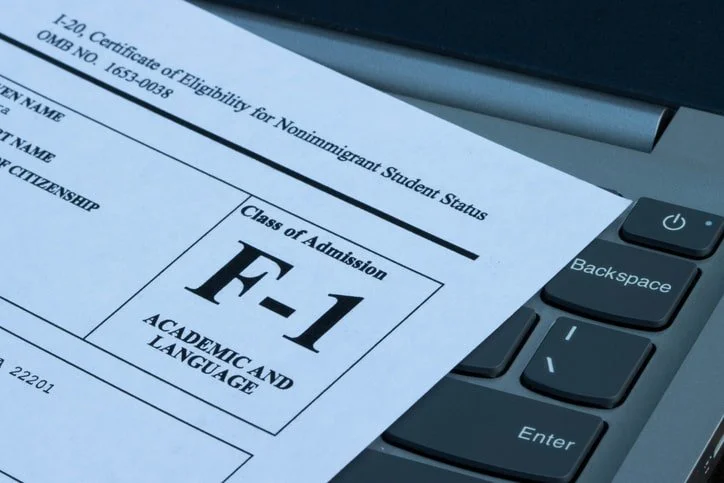
What Is "Duration of Status" for F-1 Students?
With the old F-1 visa duration of status system, the student's Form I-94 usually had "D/S" rather than an exact expiry date. This enabled students to stay in the United States and at the same time keep their F-1 status valid, allowing them to carry on with their studies, take part in authorized practical training, and meet their immigration obligations. The system was concerned with maintaining status rather than having a fixed date on which admission ended.
What Is Scheduled to Change on September 15, 2026?
The status rule's duration is set to expire on September 15, 2026, and the Department of Homeland Security will be replacing Deferred Status (D/S) admissions with fixed admission periods, which will have a specific Admit Until Date on Form I-94. Students who require additional time beyond the period authorized for them will need to apply for an extension of stay with USCIS or get a new admission period by travelling and re-entering.
How Long Can an F-1 Student Stay Under the New Rule?
Most students entering under the new system will receive an admission period tied to the program end date on Form I-20, subject to a maximum admission period of four years. Programs extending beyond that timeframe won't automatically allow continued stay. Additional approval may be necessary to remain lawfully present beyond the original admission period. These F-1 visa new rules create a more date-driven system than the one students have relied on for many years.
What Is an Admit Until Date (AUD)?
The Admit Until Date (AUD) is the exact date given on Form I-94, which indicates the length of time that a person is allowed to stay in the United States. Different from D/S, which had no set expiry date, the AUD sets a definite deadline that students have to keep a close eye on. The risk of losing their lawful status increases when a specific date determines the period of their authorized stay.
Will Current F-1 Students Be Affected?
Many students who are currently in the United States under the D/S program will benefit from transition protections. Students who had a valid status on September 15, 2026, will usually not be required to apply right away for an extension, although their situation could change if they travel after the effective date, since reentering the country might result in them being given an AUD under the new system.
What Happens to the F-1 Grace Period?
One of the most significant changes involves the post-completion grace period. Students who remain under transition provisions may still receive the traditional 60-day grace period in certain circumstances. Students admitted under the new framework generally receive only a 30-day grace period after completing their authorized program or training period.
Does the New Rule Affect F-1 Transfers?
School transfers and academic changes may become more complicated. The revised F-1 student immigration rules introduce additional restrictions affecting some transfers, changes in educational objectives, and extensions tied to new academic programs. Students considering a transfer should review the timing carefully before making decisions that could affect their immigration status.
What F-1 Students Should Do Before September 15, 2026
Students don't need to panic, but they should pay attention. Understanding your records now can prevent problems later. Hurtubise Weber Law can help you review your immigration records and timing. Consider reviewing the following areas:
● Form I-94 Records – Confirm your current admission information and immigration documents are accurate.
● Program End Dates – Verify the dates shown on your Form I-20 and understand how they affect future status.
● Travel Plans – International travel after September 15 may trigger application of the new framework.
● Future Extensions – Students in longer programs should anticipate possible extension requirements.
● School Transfers – Review transfer timing carefully before making enrollment changes.
Frequently Asked Questions
-
Students at present will be entitled to transition protections as long as they are in valid status on 15 September 2026. International travel after that date could affect the way the rule applies.
-
No. Admission periods are generally tied to the program end date and cannot exceed four years for a single admission period.
-
Possibly, but doing so may require a USCIS extension of stay approval or another lawful basis for continued status.
Schedule a Consultation With an Immigration Attorney
Changes to the F-1 visa duration of status system could affect how students plan their studies, travel, and future immigration strategy. Hurtubise Weber Law has been serving clients since 2013 and is known for being easy to work with when complex immigration questions arise. If you're concerned about the F-1 visa’s new rules or how the upcoming changes may affect your situation, contact our team to discuss your options.