
Updated List of Countries Exempt from the U.S. Six‑Month Passport Rule
Current CLP Exempt Country List for U.S. Entry
If you’ve ever stared at your passport’s expiration date, wondering whether it could ruin your upcoming trip to America, you’re not alone. With repeated U.S. passport validity rule updates and a seemingly endless list of entry requirements, international travel can be confusing and time-consuming to plan.
Now for the good news: while the U.S. generally expects visitors to meet passport requirements for U.S. entry, the current CLP-exempt country list is growing, which might save you from an unnecessary passport renewal—as long as your country makes the cut.
What Is the U.S. Six-Month Passport Rule?
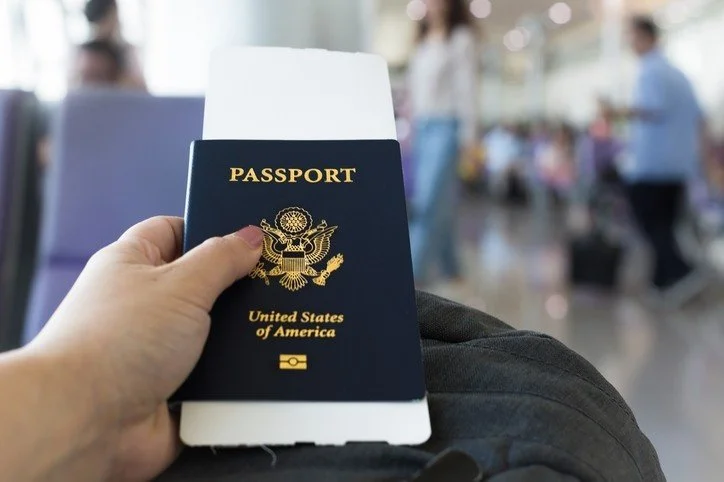
The six-month passport rule states that, if you’re coming to the United States, your passport should be valid for at least six months after your planned stay. The purpose of this rule is to reduce the risk of travelers remaining in the country with an expired passport.
Why Are Some Countries Exempt from the Six‑Month Passport Rule?
The United States grants six-month passport rule exemptions to certain countries based on longstanding agreements and practical considerations. These exemptions extend to places with reliable passport systems, strong identity verification processes, and consistent cooperation with immigration authorities.
The U.S. considers these countries reliable enough to allow their citizens to visit with passports valid only for the duration of the trip. The Carrier Liaison Program (CLP) manages these exemptions, which are often reciprocal, meaning U.S. citizens receive similar treatment when traveling to CLP-exempt countries.
How Do You Check if Your Country Is Exempt?
Now that you know exemptions exist, the next logical question is whether your home is on the current CLP exempt country list. Here’s how to check:
Look for the latest six-month validity update outlining exempt countries.
Check travel advisories or embassy websites.
Confirm requirements directly with your airline.
Be cautious about relying on old lists or random travel forums. The rules change more often than you’d think, so stick to official sources.
How Frequently Is the Exemption List Updated?
There is no fixed schedule for updating the exemption list. Changes occur as diplomatic relationships evolve, security assessments are updated, or administrative policies shift. Updates are issued when CBP determines that revisions are necessary.
This means travelers should not assume that an exemption that applied in the past still applies today. Checking the most recent passport requirements for U.S. entry before each trip is the best way to avoid complications.
What Changed in the Most Recent Update?
The most recent update, as of this writing, was published on December 18, 2025. It added Gabon to the list of exempt countries and put them in proper alphabetical order, making it easy for travelers to tell at a glance whether they need to worry about the six‑month passport rule.
How Does an Exemption Affect International Travelers?
Whether you’re flying to New York for business, planning a backpacking trip in San Francisco, or traveling to Texas to visit family, knowing your status on the current CLP exempt country list can save you time, money, and stress.
If your country is exempt, you don’t need to worry about having a six-month buffer before your passport expires. As long as the passport remains valid for the duration of the authorized stay, you should be permitted to enter. This makes last-minute travel much more feasible since you don’t have to scramble to renew your passport first.
If your country is not exempt, your passport must be valid for at least six months beyond the intended stay, regardless of visa type. Failure to meet this requirement may result in denied boarding or refusal of entry. Immigration officers are serious about compliance, so don’t assume you can work around it.
What if Your Passport Has Less Than Six Months?
Say you have a trip planned to the U.S. next week, when you glance at your passport and notice it has just three months of validity left. What should you do?
First, confirm whether your country qualifies for a six-month passport rule exemption. If it does, and the passport is valid for the full length of your intended stay, you should be fine. Just be aware that some airlines may apply conservative policies and request additional validity. Confirm your airline’s requirements in advance to reduce the risk of unexpected issues at the airport.
If your country is not exempt from the six‑month passport rule, you’ll need to renew your passport before traveling abroad.
How Can You Avoid Last-Minute Travel Disruptions?
Careful planning is the most effective way to enjoy peace of mind leading up to an international trip. Follow these simple steps to avoid disrupting your travel schedule, employment obligations, or family plans:
Check your passport expiration date months before your departure, not days.
Verify the latest CLP exemptions before booking your flight.
Contact your airline. Some enforce stricter policies than the government.
Renew your passport early if you plan to travel within six months of its expiration.
Maintain digital and paper copies of your passport and travel documents so they’re always accessible.
Let’s Talk About Your Immigration Goals
Understanding U.S. travel passport validity requirements may be the first step on your larger immigration journey. Misunderstandings at the travel stage can affect your long-term plans to enter or remain in the United States.
Hurtubise Weber Law has guided individuals and families through the immigration process since 2013. Our team is easy to work with and provides support in both English and Spanish. With a strong track record in family-based immigration, we focus on practical solutions that help move your case forward. If you’re ready to speak with an immigration lawyer in San Francisco or San Jose, CA, please contact us today.