
A Guide to the Expanded US Travel Ban and What It Means
What the Travel Ban Means for Visitors and Employers
The expanded U.S. travel ban 2026 is in effect as of January 1, 2026. This ban shapes which countries face full or partial entry limits, who is exempt, and how waivers work. If you travel for work, sponsor employees, or are pursuing a green card through family or employment, expect stricter screening and visa processing delays.
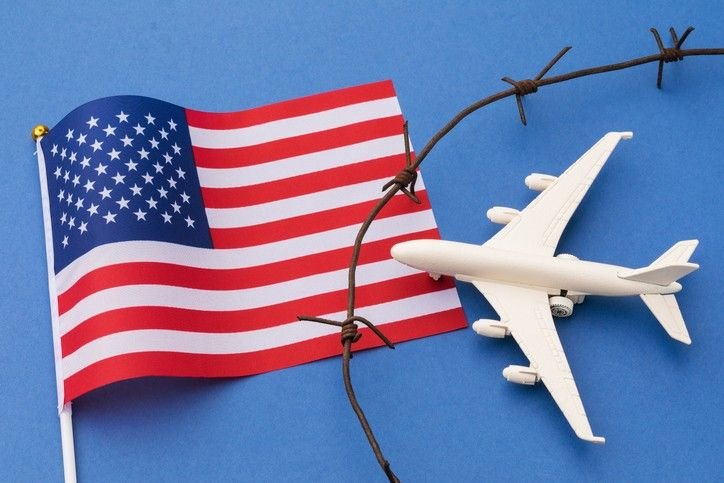
Countries Affected by the New Restrictions
The full travel ban countries list for 2026 falls into two categories: full suspensions and partial suspensions.
Fully Suspended Countries
Full suspension means most visa options are unavailable unless a specific exception applies or an applicant receives a case-by-case national-interest exception. Immigrant and non-immigrant entry is broadly restricted from the following countries:
Afghanistan
Burkina Faso
Burma
Chad
Equatorial Guinea
Eritrea
Haiti
Iran
Laos
Libya
Mali
Niger
Republic of the Congo
Sierra Leone
Somalia
South Sudan
Sudan
Syria
Yemen
The proclamation also restricts entry for individuals traveling on travel documents issued or endorsed by the Palestinian Authority.
Partially Suspended Countries
Partial suspension targets certain immigrant and non-immigrant visa categories. Some visas may also be issued for shorter periods. The countries with partial suspensions include:
Angola
Antigua and Barbuda
Benin
Burundi
Côte d’Ivoire
Cuba
Dominica
Gabon
The Gambia
Malawi
Mauritania
Nigeria
Senegal
Tanzania
Togo
Tonga
Venezuela
Zambia
Zimbabwe
The proclamation also modifies the restrictions for Turkmenistan, lifting limits on B, F, M, and J visas, while continuing to suspend immigrant entry.
Who Is Affected by the Expanded Travel Ban?
Restrictions on nationals of banned countries primarily affect those outside the U.S. on the effective date who do not have a valid visa on that date. Visas issued before the effective date are not revoked, although reentry still depends on inspection at the port of entry.
“Ban” sounds like it applies to everyone from a country, but the proclamation exempts several groups, including:
Dual nationals traveling on a passport from a non-designated country
Those with certain diplomatic and international-organization visas
Qualifying athletes and essential team personnel traveling for major events
U.S. government employees with certain special immigrant visas
Ethnic and religious minorities facing persecution in Iran
Asylum seekers or refugees already admitted to the U.S.
Those seeking asylum or related protections consistent with U.S. law
Another consequential policy shift is the move away from broad categorical exceptions for family-based immigrant visas. This means some families who expected to move forward with consular green card processing may face a more difficult path unless an exception applies.
What the Travel Ban Means for International Travelers
The biggest question international travelers have is simply, “Can I travel and get back in?” Under the expanded U.S. travel ban 2026, the answer depends on nationality, travel documents, visa type, and whether an exception applies.
Travelers from fully suspended countries should expect fewer viable pathways. Travelers from partially suspended countries may still qualify for certain nonimmigrant visas, but routine options may be blocked, and visa validity may be shortened.
Visa processing delays due to travel ban rules are also likely because consulates often implement new screening steps and adjust scheduling capacity when major restrictions change. As a result, travel planning should start with reviewing your documentation and eligibility, not booking airline tickets and hotels.
Impact on Employers Sponsoring Foreign Nationals
The impact of the travel ban on foreign workers is immediate for employers who recruit internationally or depend on cross-border travel. A candidate from a fully suspended country may now be unable to obtain an employment visa, bringing hiring plans to a standstill.
For partially suspended countries, common pain points include delayed start dates and shorter visa validity. Employers also face the risk that an employee who travels abroad for stamping or renewal may not return when expected.
How Business Travel and Workforce Mobility Are Affected
The expanded U.S. travel ban is forcing many employers to rethink cross-border collaboration. Even when a worker is eligible to travel, the process may slow down enough to disrupt in-person meetings, training, and short-term assignments. International business trips that used to be routine may become impractical if visa appointments are unavailable or the ability to re-enter the country is uncertain.
Establishing a straightforward travel policy helps. This policy should define when international travel is allowed during critical immigration stages and who must approve travel for employees with pending applications.
Compliance Obligations Under the New Proclamation
Employer compliance under the new travel restrictions is not limited to filing paperwork. Employers should prepare now to stay compliant without jeopardizing their business model. Limiting unnecessary international travel during sensitive stages and selecting immigration options that reduce reliance on consular processing can help avoid preventable problems.
Here’s how to prepare for expanded travel restrictions:
Know who is affected: Identify employees and candidates who may be affected by the U.S. travel ban.
Plan hires and transfers realistically: Set timelines that account for visa processing delays caused by the travel ban.
Review travel plans in advance: Require pre-travel review for employees from affected countries or employees who need visa stamping abroad.
Maintain clear documentation: Keep your records organized in case a national-interest exception becomes relevant.
Communicate with vendors and clients: Alert them as soon as possible if travel restrictions affect any of your employees’ ability to work in the U.S. or travel internationally.
Speak with Our Legal Team
The expanded U.S. travel ban 2026 creates real consequences for travelers, families pursuing permanent residency, and employers supporting foreign workers. Hurtubise Weber Law can help you understand how the current restrictions apply to your specific situation, then map a path through the immigration process. Ready to discuss your options? Reach out now to schedule a consultation with an immigration lawyer in San Francisco or San Jose, CA.
FAQs
Can I still renew my visa if my country is partially restricted?
Possibly, but certain visa types may be suspended, and other visas may be issued with shorter validity.
If I already have a visa, can I travel without worry?
A valid visa helps, but entry is always decided at inspection. Make sure your travel plans account for added questioning and possible delays.
Does the proclamation affect people seeking permanent residency through a spouse?
Affected countries may face tougher consular pathways, and the proclamation narrows broad family-based carveouts, forcing more people to rely on exceptions.
What should an employer do if a new hire cannot obtain a visa on time?
Push out the start date, consider remote onboarding, or review whether an alternative immigration strategy is available.
Are national-interest exceptions available for regular business travel?
They exist but are discretionary and limited. Strong supporting facts play a large role, and outcomes can be unpredictable.